
Our approach & expectations
The ‘New’ Chandos Rehab Programme
After very successful trials, Chandos centre for men has now established it’s cutting edge ‘hit the deck running’ course of treatment. This new, more focused and strategic treatment package admits clients either during or immediately after detox. In the true spirit that defines Chandos, we will continue to provide free pre and post treatment support for as long as it is required.
Therapies Offered at Chandos
We offer a wide range of therapies and treatments to residents as part of their treatment plan at Chandos House, with something to suit everyone. You can find a full list on our Treatment Details page.
Our Mission Document
The primary purpose of Chandos House is to provide a constructive, supportive space where high quality interventions allow men to integrate mind, body and spirit, a place where men can re-claim their self esteem, potential and purpose.
The core values at Chandos House are:
- Transformation of the self
- Empathy and compassion
- No harm to self or others
- Respect
- Dignity
- Love
- Honesty
- Risk taking
- Responsibility
- Challenge
- Inclusivity
- Celebration of diversity

Our unique competencies are having a diverse, multi-disciplinary range of evidenced-based interventions, which are innovative, responsive, exciting, holistic and demanding. We deal with thoughts, feelings and actions associated with addiction and addictive behaviour to allow a greater range of opportunities for engagement with self and the world.
We use the skills, knowledge, talents and experience of the community of residents and staff at Chandos House to enable the Men of Chandos to become fully functioning and productive members of society again.
When we are successful in achieving our purpose, carrying out our strategy and living out our core values, what would we see, feel and hear?
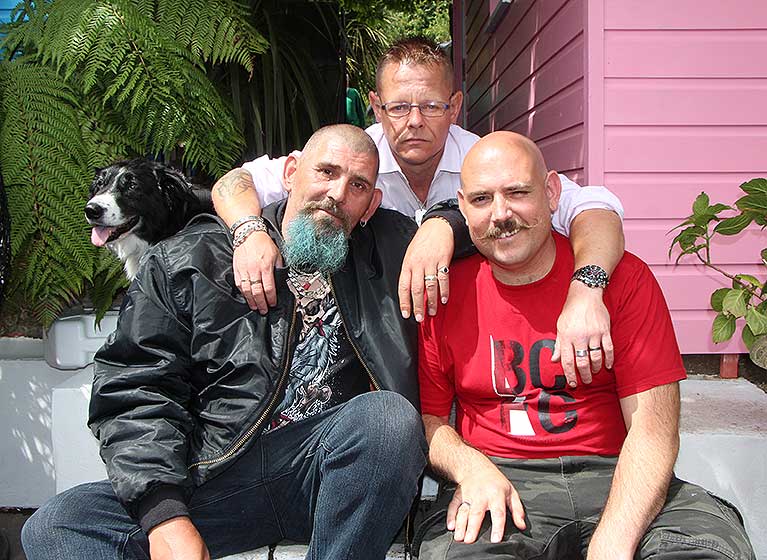
We would see Men, full of energy and laughter, being honest with themselves and each other.
Men would feel ready to celebrate becoming better sons, brothers, fathers, friends, partners and providers and become ready to take on board the roles they had previously abandoned.
We would hear Men being appropriately assertive, with strong, clear voices taking responsibility for themselves and others and with emotional maturity and fluency.
We would see Men who are pleased to be alive and fully engaged with creating the best possible future.
A vibrant, wise community of Men, striving to be their very best and embracing change!
Current Residents
Recovery Successes
Staff
Weekly Sessions
Men achieving successful recovery are:
full of energy & honest with themselves & others
They are happy to be alive, full of laughter and engaged with creating the best possible future for themseives and their family.
better sons, brothers, fathers, friends, & partners
taking responsibility, confident with clear voices